Grief can bring shock, sadness, tiredness, anger and guilt, sometimes all in one day. The NHS says these feelings usually ease with time, and that support is there if they don't. An independent informational guide, not a church, charity or health service.
General information only, not medical advice. For advice about your own health, speak to a doctor, pharmacist or other qualified health professional.
WHO TO CONTACT
Where does it fit?
Pick the situation closest to yours to see where NHS guidance points. The bar shows how urgent the NHS treats it.
General signposting from NHS and Cruse pages, not personal medical advice. If someone's life is at risk, call 999.
TWO NUMBERS WORTH KNOWING
Loss touches almost everyone.
One figure on how many families are bereaved each year, one on when the NHS suggests extra help.
568,613
Deaths registered in England and Wales, 2024
The Office for National Statistics recorded 568,613 deaths registered in England and Wales in 2024. Behind each one are partners, families, friends and colleagues who grieve.
DEATHS · ONS
2 weeks
When the NHS suggests seeing a GP
The NHS says to see a GP if you have had a low mood for more than 2 weeks, are struggling to cope, or the things you are trying yourself are not helping.
LOW MOOD · NHS
For most people grief becomes less intense over time. The NHS says that for some it lasts many months or years, known as prolonged grief disorder, and that it is more likely if a death was traumatic, sudden or unexpected.
WHAT THE NHS SUGGESTS
Gentle things to try.
These come from the NHS page on grief after bereavement or loss. They are general ideas, not a checklist to complete.
Talk about how you feel
With a friend, family member, healthcare professional or counsellor, or through peer support with people who have been there.
Set small targets
Do not try to do everything at once. Small, achievable goals are easier to meet on hard days.
Look after the basics
Regular exercise can lift mood and may help sleep; regular meals keep energy levels steadier.
Avoid quick fixes
The NHS says try not to use alcohol, cigarettes, gambling or drugs to relieve grief, as they can all add to poor mental health.
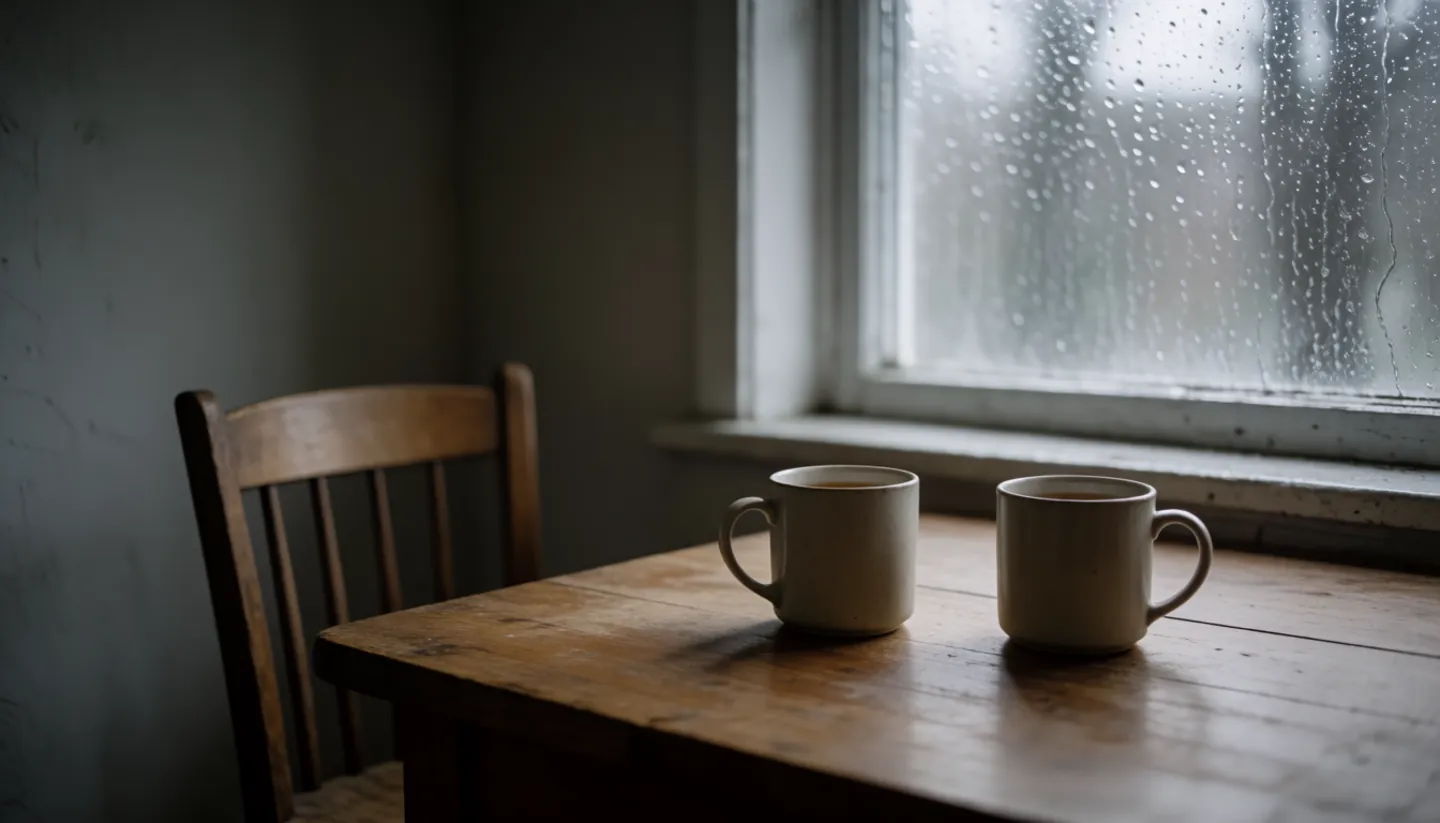
AI-generated image, not a photograph of a real person or place.AI-generated image, not a photograph of a real person or place.
THE STAGES OF GRIEF
Not a ladder, not a timetable.
People often talk about grief in stages: denial, anger, depression, bargaining and acceptance. The NHS says you may not go through all of them, they may not come in order, and you may not move smoothly between them.
Grief is not only about death. The NHS says it can follow the end of a relationship, losing a job, moving home or someone close becoming seriously ill. Cruse adds that support from others often fades after the funeral, when grief may only just be starting.
Questions
Questions people ask
Is what I'm feeling normal?
The NHS says bereavement and grief affect people in different ways and there is no right or wrong way to feel. Shock, sadness, tiredness, anger and guilt are all common.
Do the stages of grief happen in order?
Not necessarily. The NHS says you may not experience all the stages, they may not happen in a particular order, and you may not move smoothly between them.
How long does grief last?
There is no set time. The NHS says feelings usually ease gradually, but for some people grief lasts many months or years; this is called prolonged grief disorder, and the NHS suggests seeing a GP if you have its symptoms.
Who can I talk to for free?
Cruse Bereavement Support has a free helpline on 0808 808 1677. Samaritans can be called free on 116 123. Adults can also refer themselves to NHS talking therapies.
Is this site connected to a church or charity?
No. It is an independent informational page that quotes NHS, Cruse and ONS sources. It is not a church, a charity or a health service, and it does not give medical advice.